ARM Cortex-A73: Power-Efficient Performance for Modern Devices
2024-11-03 20:46:59
Click:
“
ARM Cortex-A73: Power-Efficient Performance for Modern Devices The ARM Cortex
”
ARM Cortex-A73: Power-Efficient Performance for Modern Devices
The ARM Cortex-A73 CPU, launched in 2016, is a high-efficiency processor that balances power with performance. Based on the ARMv8-A 64-bit architecture, the Cortex-A73 supports both 32-bit and 64-bit applications, providing flexibility and compatibility across various platforms. This architecture also incorporates advanced technologies like ARM TrustZone, NEON, virtualization, and encryption, ensuring reliable security, multimedia capabilities, and improved resource management.

Key Features of ARM Cortex-A73
-
High-Efficiency Performance
Compared to its predecessor, the Cortex-A72, the Cortex-A73 offers a 30% improvement in sustained performance. Its peak frequency can reach up to 2.8 GHz, which supports complex processing needs for high-end smartphones, tablets, and various mobile applications. These performance upgrades come with a well-optimized design that supports efficient data handling and processing.
-
Optimized for Mobile and Embedded Systems
The Cortex-A73’s microarchitecture includes a 64 KB instruction cache and advanced prefetch capabilities, along with L1 and L2 caches for enhanced processing speed and reduced latency in demanding applications. This architecture is built to handle modern mobile and embedded environments that demand reliable and sustained performance.
Improved Power Efficiency
The Cortex-A73’s power management is among its strongest points, achieving high performance while lowering power consumption relative to the Cortex-A72. This energy-efficient design not only extends battery life but also frees up resources for other functions, such as graphics processing. This power savings makes it particularly suited to mobile applications and embedded devices that require high computational power without draining the battery.
Applications of ARM Cortex-A73
-
Mobile Devices
High-end smartphones and tablets leverage the Cortex-A73 for its balance of power and efficiency. A notable example is the Huawei HiSilicon Kirin 960 chipset, which incorporates four Cortex-A73 cores as high-performance cores, paired with Cortex-A53 cores for low-power efficiency.
-
Smart TVs
With its ability to handle high-quality video and multimedia applications, the Cortex-A73 also supports the demands of smart TV systems. MediaTek’s MT9652 SoC, for instance, utilizes a quad-core Cortex-A73 processor, offering a smooth user experience and optimized picture quality for smart TVs.
-
Industrial Embedded Devices
Beyond consumer electronics, the Cortex-A73’s power-efficient processing capabilities make it ideal for IoT and industrial applications. Devices such as digital set-top boxes and IoT sensors benefit from the processor’s low power consumption and high-speed data handling.
Example Application:
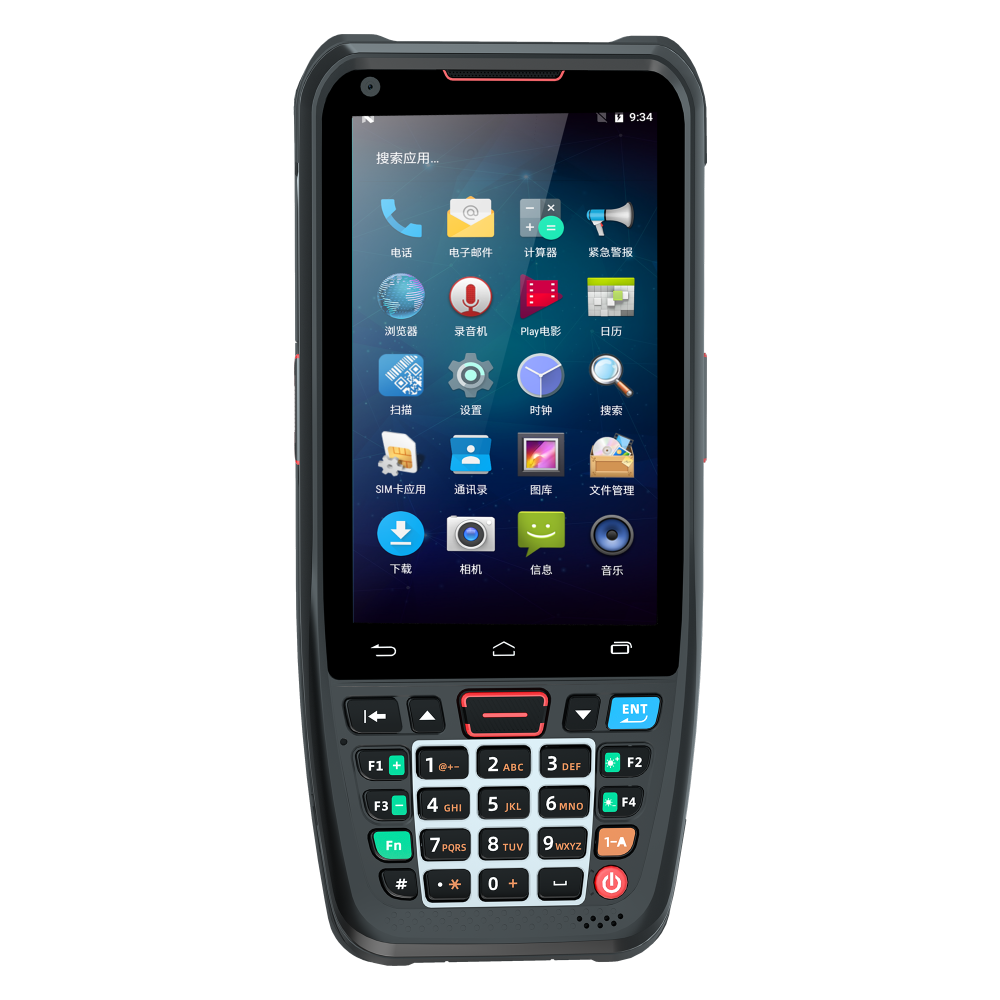
For applications in hazardous environments, the 5.5-Inch ATEX Explosion-Proof T60 Rugged PDA provides robust performance with enhanced security in explosion-prone areas, utilizing Cortex-A73 for stable and secure data handling. The rugged PDA combines durability with the power of the Cortex-A73 for industrial data collection and asset management, even in extreme conditions.
Benefits of Cortex-A73 in Modern Applications
-
Efficiency and Power Savings:
By reducing power usage while enhancing performance, the Cortex-A73 helps extend device battery life and enables continuous use without overheating, making it well-suited to mobile devices and industrial applications alike.
-
Advanced Security:
With ARM TrustZone and integrated encryption capabilities, the Cortex-A73 enables secure data handling, which is critical for applications requiring high security.
-
Flexible Processing for Diverse Applications:
This CPU is not only designed for mobile and smart devices but also well-suited for industrial IoT applications. It handles both high data throughput and power efficiency requirements, making it versatile across applications.
In summary, the ARM Cortex-A73 provides an optimal solution for high-performance, energy-efficient, and secure processing in a range of devices, from smartphones to IoT sensors. Its advanced architecture supports the latest multimedia and security demands, while maintaining low power consumption, making it a versatile and reliable CPU choice for next-generation mobile and industrial applications.









LET'S GET IN TOUCH
LET'S KEEP TOUCH
Please leave your messages.
we will reply within 1 working day.
Contact

+86 17373842885

info@iu-plus.com

Address:Room 401, Wanfeng Coast City, Wanfeng Community, Xinqiao Street, Baoan District, Shenzhen, China
Follow and subscribe to us

Copyright ©2017-2024 Shenzhen IUPLUS Information Co., LTD All Rights Reserved