The Evolution of PDA Development: From Early Digital Assistants to Modern Smartphones
2024-10-28 19:05:50
Click:
“
The Evolution of PDA Development: From Early Digital Assistants to Modern Smartp
”
The Evolution of PDA Development: From Early Digital Assistants to Modern Smartphones
The Personal Digital Assistant (PDA) is one of the earliest portable smart devices and represents a key phase in the history of mobile computing. Its evolution shows how technical innovation, combined with shifting user needs, shaped the PDA's journey from an office tool to its successor: the smartphone. Below is a comprehensive look at the history and advancements of PDA products.

1. Early Concept Phase (Pre-1980s)
The PDA concept originated in science fiction of the 1960s, imagining the future of handheld computing. During the late 1970s, companies began experimenting with portable calculators and digital organizers. These early devices were bulky and had limited functions, typically referred to as “handheld computers” or “digital notebooks.”
2. First Generation PDAs (1980s)
- Apple Newton MessagePad (1993): In 1993, Apple launched the Newton MessagePad, one of the first true PDAs. Newton offered features like a touch screen, handwriting recognition, and tools for managing schedules and notes. Despite issues with handwriting recognition, Newton established the design principles of future PDAs.
- Psion Organiser: Released by Psion in 1984, this was among the first commercially successful PDAs. Known for its task management and data storage capabilities, Psion’s Organizer had basic calendar, memo, calculator, and contacts functions, with an expandable OS that hinted at the future of personal computing.
3. Mature Development Stage (Mid-1990s to 2000)
- Palm Pilot (1996): Introduced in 1996, the Palm Pilot made PDAs mainstream, celebrated for its lightweight design and efficient handwriting input system, Graffiti. Palm Pilot’s simplicity made it a mobile office tool that easily synchronized data with PCs.
- Windows CE Devices: In 1996, Microsoft launched Windows CE, a compact OS for handheld devices. These "Handheld PCs" supported multitasking and featured functionality akin to Windows desktop systems. With additional support for multimedia and internet, these devices took PDA usability to new heights.
4. Peak and Multifunctional Phase (2000-2005)
From 2000 onwards, PDA devices experienced significant growth. Improved wireless technology, touch screens, and battery life turned PDAs into multi-functional tools.
- Compaq iPAQ: Compaq released the iPAQ series in 2000, running on Windows Pocket PC, which expanded PDA functionality to resemble that of portable computers. iPAQ’s powerful processor and robust app ecosystem enhanced user experience.
- Palm OS and Pocket PC OS Market Competition: Palm OS and Windows Pocket PC OS became the two main PDA operating systems, each targeting different users. With the addition of features like Wi-Fi, Bluetooth, and media playback, PDAs started to resemble compact internet devices.
5. Transition to Smartphones (2005-2010)
Smartphones gradually absorbed PDA functions, offering increased connectivity and computing power.
- Treo 600 and BlackBerry: Palm’s Treo 600 and RIM’s BlackBerry devices integrated telecommunication functions, marking a shift toward smartphones. BlackBerry's instant messaging and email push service cemented its popularity among professionals.
- The iPhone Launch (2007): Apple’s iPhone redefined the market by merging phone, internet, and multimedia capabilities with an intuitive touch experience. This innovation led to PDAs being phased out as smartphones provided superior and comprehensive functionality.
6. The Gradual Decline and Market Exit (Post-2010)
With the mainstream adoption of smartphones, PDA devices gradually exited the market due to:
- Function Overlap: Smartphones offered more powerful processing, rich applications, and communication features, fully encompassing traditional PDA functions.
- Advancements in Technology: The integration of touchscreens, cameras, GPS, and cellular technology made smartphones more versatile and responsive to users’ needs.
7. PDA’s Impact and Modern Influence
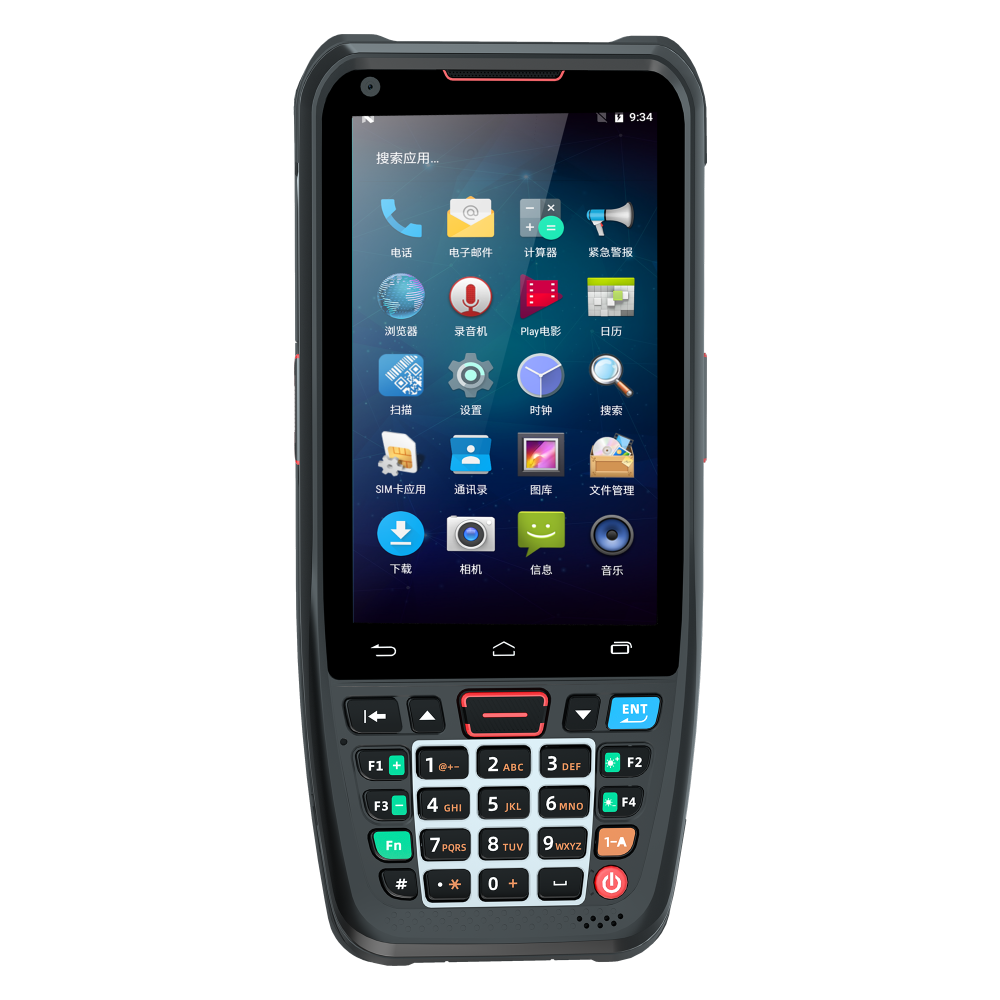
Though PDA devices faded from view, their contributions significantly shaped today’s mobile technology landscape. The concepts of touch operation, portable computing, and mobile productivity that began with PDAs are now standard across mobile devices, including the latest handheld PDAs like the IUPLUS 6.5-Inch Intel Windows Handheld PDA. This model combines traditional PDA features with modern functions like Intel Windows OS compatibility and dual-system support, making it ideal for business and industrial applications today.
PDA history reveals how technical evolution drives innovation in daily life. Although smartphones have largely replaced PDAs, the core concepts developed during the PDA era continue to inspire advancements in portable devices, with specialized PDAs like the IUPLUS handheld keeping up with contemporary needs in business and mobility. Discover more about the IUPLUS PDA’s unique dual-system compatibility, rugged design, and high-resolution display to find out how it adapts classic PDA functionalities to today’s professional standards.









LET'S GET IN TOUCH
LET'S KEEP TOUCH
Please leave your messages.
we will reply within 1 working day.
Contact

+86 17373842885

info@iu-plus.com

Address:Room 401, Wanfeng Coast City, Wanfeng Community, Xinqiao Street, Baoan District, Shenzhen, China
Follow and subscribe to us

Copyright ©2017-2024 Shenzhen IUPLUS Information Co., LTD All Rights Reserved