Revolutionizing Energy Storage Asset Management with Windows PDA Solutions
2024-10-23 19:40:46
Click:
“
Revolutionizing Energy Storage Asset Management with Windows PDA SolutionsThe ra
”
Revolutionizing Energy Storage Asset Management with Windows PDA Solutions
The rapid growth of the energy storage industry has led to a significant increase in assets requiring detailed, efficient management. From battery systems to inverters, these assets are distributed across vast areas and involve various technologies that necessitate real-time monitoring and regular maintenance. Traditional asset management approaches, such as manual tracking, are no longer adequate. They are prone to errors, delays, and inefficiencies that can result in asset underutilization or wastage. To address these challenges, rugged handheld PDA solutions—particularly Windows-based PDAs—are becoming the preferred tool for streamlining asset management in the energy storage sector.

Key Challenges in Energy Storage Asset Management
The complexity of managing energy storage assets stems from the variety and sheer number of equipment involved. These include core components such as battery modules, power inverters, and control systems, all of which need constant monitoring to ensure optimal performance. However, these assets are often located in remote or hard-to-reach environments. Manual asset tracking processes face multiple challenges, including difficulty in accessing real-time data, mismanagement, or discrepancies between recorded and actual asset conditions.
For efficient asset management, solutions need to enable real-time tracking, offer rugged durability, and provide seamless integration with existing management systems.
The PDA Solution: Mobility and Efficiency in One Device
To overcome these challenges, energy storage companies are turning to rugged, Windows-based PDAs. The handheld nature of these devices allows field technicians to easily access, update, and report on asset conditions. Combining RFID (Radio Frequency Identification) technology with PDA functionality allows for the rapid collection of asset data, streamlining operations, and reducing human errors.
Product Spotlight: 6.5-Inch Intel Windows 10/11 Handheld PDA
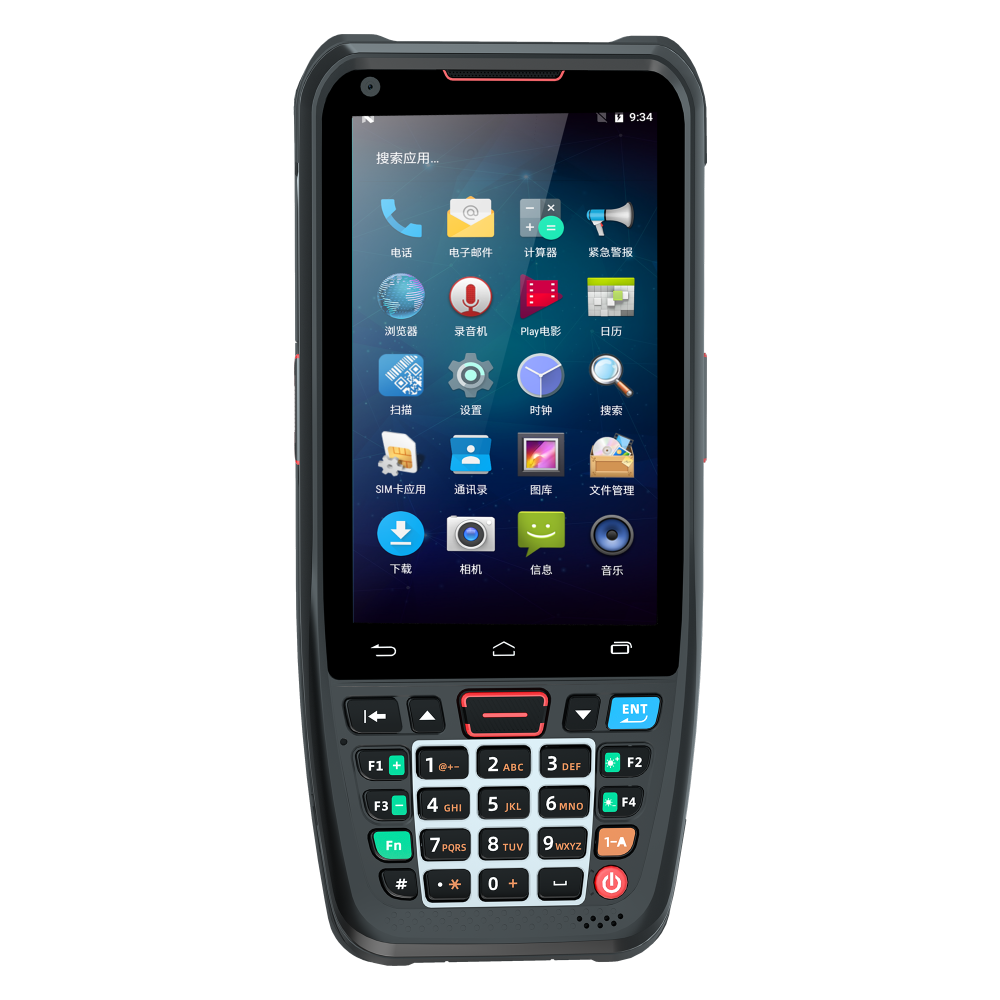
One exemplary device, the 6.5-Inch Intel Windows 10/11 Handheld PDA, offers a powerful solution for energy storage asset management. Its rugged design ensures reliability in harsh environments, such as outdoor storage sites where dust, moisture, and extreme temperatures are common. The PDA features:
- Windows 10/11 Operating System, ensuring seamless integration with enterprise systems and asset management software.
- 6.5-inch Display for clear visibility of detailed asset information.
- Intel Quad-core Processor for fast data processing and task execution.
- RFID and barcode scanning capabilities to simplify asset tracking and monitoring.
- GPRS Wireless Connectivity, allowing for real-time data synchronization with centralized databases.
With this device, field teams can access a portable and efficient tool that enhances mobility and simplifies asset management tasks.
System Components of a Complete PDA Solution
- Handheld Terminals:
The backbone of this system is the rugged handheld terminal, which integrates multiple modules such as RFID readers, GPRS wireless communication, and a durable power interface. These devices allow for real-time data collection and seamless communication between field operators and central databases. In the energy storage industry, they enable fast, efficient reading of electronic tags on equipment, streamlining asset tracking and ensuring timely updates.
Use Case:
A field technician arrives at a remote energy storage site equipped with the 6.5-Inch Intel Windows PDA. By scanning RFID tags on battery systems and power inverters, the technician quickly updates asset status and maintenance logs. The device’s GPRS capability ensures immediate upload of this data to the cloud, giving management real-time insight into asset conditions. - Electronic Tags:
In environments where assets have metal surfaces, traditional RFID technologies face interference challenges. To address this, specially designed anti-metal RFID tags are employed. These tags are durable and can be easily attached to energy storage equipment such as battery packs or metal racks.
- Software for Card Issuance:
The PDA system includes software that writes asset details such as model, serial number, and location into electronic tags. This allows for quick identification and easy integration into larger enterprise resource planning (ERP) systems, providing a comprehensive view of all assets in the system.
- Integration with ERP Systems:
The Windows-based PDA can be integrated into existing ERP systems, which simplifies tasks such as asset transfers, repairs, and inventory updates. This enables seamless tracking of an asset’s life cycle from acquisition to decommissioning.
Practical Applications of PDA in Energy Storage Asset Management
- New Asset Management:
When a new energy storage device, such as a battery module, is added to the system, a technician can quickly use the PDA to encode the necessary asset details into an RFID tag. The data is stored in a central database, enabling the company to maintain a detailed and up-to-date inventory. - Asset Transfer:
In the case of equipment transfers between storage sites, the PDA allows for the easy scanning and tracking of assets. As the equipment is moved, its RFID tag is scanned, and the system automatically updates its new location and status. - Maintenance Operations:
Field engineers use PDAs to track maintenance work on energy storage assets. When a device requires repair or inspection, technicians scan the RFID tag using the handheld PDA, which records the asset’s current condition. With wireless GPRS transmission, the updated maintenance status is immediately sent back to the main system for review.
Use Case:A technician working at a large-scale solar energy storage facility needs to perform routine maintenance on several inverters. With the Windows PDA in hand, the technician scans the equipment, checks the historical maintenance logs, and inputs new data on repairs. The rugged nature of the PDA ensures it withstands outdoor conditions while performing efficiently.
Benefits of Using Windows PDA Solutions in Energy Storage
- Paperless Operations for Greater Efficiency:
PDA-based asset management eliminates the need for paper records, reducing errors and speeding up the process. By scanning asset tags directly into the system, technicians save time and minimize discrepancies, ensuring accurate data collection. - Real-time Data Updates and Connectivity:
With GPRS and wireless capabilities, field workers can instantly report asset status back to the central database. This ensures that management teams are always informed of any changes, allowing for more agile decision-making. - Flexible and Customizable Functions:
Equipped with multiple functionalities such as RFID scanning, GPS location tracking, and barcode reading, rugged PDAs provide flexibility for diverse asset management needs. Additionally, companies can customize features based on their specific requirements. - Durability in Harsh Environments:
Windows-based rugged PDAs, such as the 6.5-Inch Intel Windows 10/11 model, are built for tough outdoor conditions. They are resistant to water, dust, and drops, making them ideal for remote or challenging storage environments.
Conclusion
The use of rugged Windows PDAs in the energy storage industry is revolutionizing asset management. By streamlining tasks such as asset tracking, maintenance, and reporting, these devices are ensuring greater efficiency, accuracy, and operational flexibility. The 6.5-Inch Intel Windows 10/11 Handheld PDA stands out as an ideal tool for this purpose, offering powerful features, rugged design, and seamless integration with existing asset management systems. As the energy storage sector continues to expand, the role of advanced PDA solutions will only become more critical.









LET'S GET IN TOUCH
LET'S KEEP TOUCH
Please leave your messages.
we will reply within 1 working day.
Contact

+86 17373842885

info@iu-plus.com

Address:Room 401, Wanfeng Coast City, Wanfeng Community, Xinqiao Street, Baoan District, Shenzhen, China
Follow and subscribe to us

Copyright ©2017-2024 Shenzhen IUPLUS Information Co., LTD All Rights Reserved