Smart Power Equipment Inspection Solution: Enhancing Efficiency and Safety
2024-10-20 21:09:41
Click:
“
Smart Power Equipment Inspection Solution: Enhancing Efficiency and SafetyOvervi
”
Smart Power Equipment Inspection Solution: Enhancing Efficiency and Safety
Overview
Power equipment inspection is a crucial task for ensuring the safety and reliability of electrical systems, minimizing equipment faults, and enhancing operational efficiency. Currently, traditional inspection methods still rely on manual patrols and paper records, which create challenges such as labor inefficiencies, data management difficulties, and the risk of human error. Moreover, without real-time monitoring, it becomes difficult to track the progress of inspection personnel and ensure the quality of the work.

Challenges
The key challenges in power equipment inspection include:
- Ensuring High-Quality Inspections: Manual inspection is prone to human error, making it harder to detect and address issues in a timely manner.
- Low Degree of Digitalization: Paper-based records complicate data processing, slowing down information analysis and decision-making.
- Inadequate Safety Monitoring: Lack of real-time supervision increases safety risks during inspections.
To address these issues, power companies need a more efficient and safe inspection method that integrates real-time data processing and eliminates safety hazards.
Smart Inspection Solution
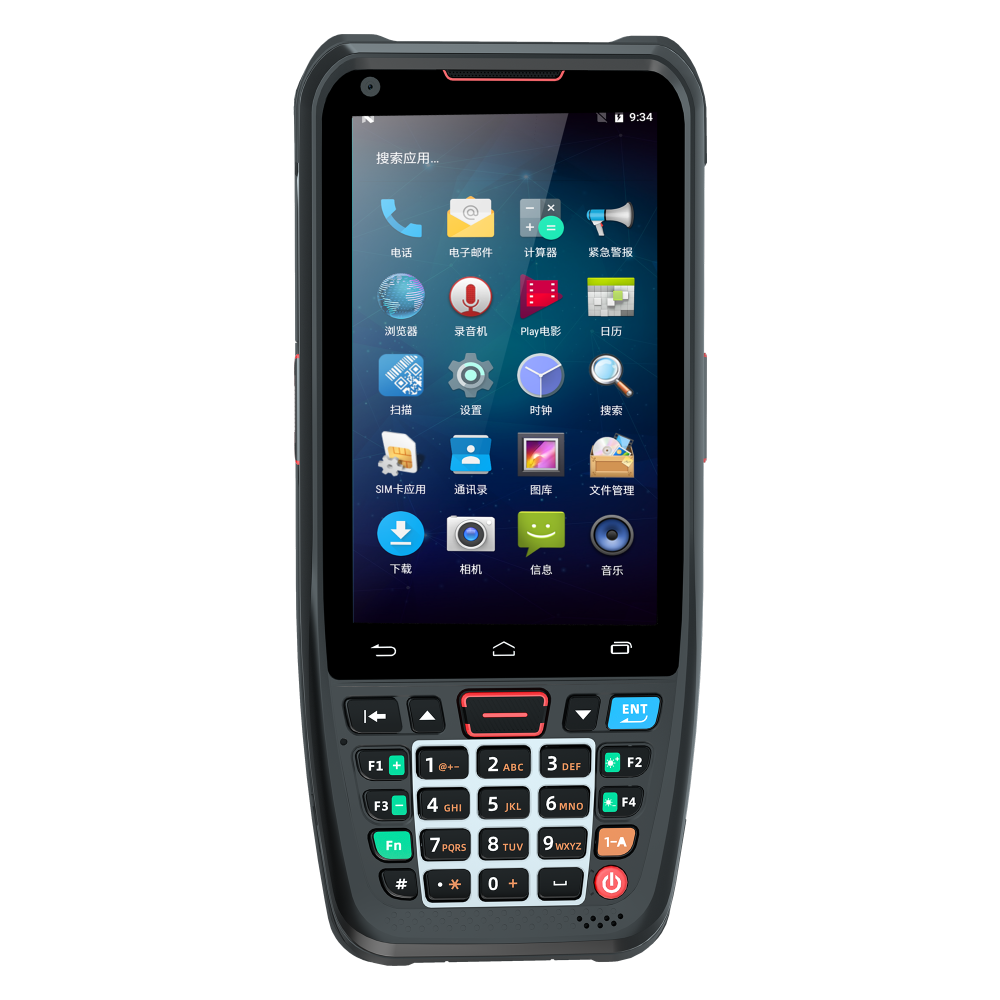
Deploying a smart power inspection solution using handheld terminal devices and an integrated inspection system can solve these challenges efficiently. This solution leverages handheld devices like the 6.5-Inch Intel Windows Handheld PDA and RFID technology to digitize and streamline inspection processes. Inspectors use the handheld PDA to carry out inspection tasks, while data is uploaded in real-time to a central management system, enabling managers to monitor operations remotely.
Key features of the system include:
- Smart Route Planning: The system automatically generates optimal inspection routes based on equipment locations and historical data, saving time and increasing efficiency.
- Real-Time Data Recording and Uploading: Inspection data is transmitted via a wireless network in real time, ensuring prompt access to information.
- Supervision of Inspection Status: Managers can track the real-time location of personnel and monitor inspection progress through the system’s dashboard.
- Data Analytics and Report Generation: The system automatically compiles data into reports and charts, helping identify trends and predict potential issues.
- Seamless Integration with Existing Systems: The system can be integrated with current enterprise information systems, enhancing overall operational efficiency and safety management.
This smart inspection solution greatly enhances power equipment safety, reduces maintenance costs, and improves overall operational efficiency.
Application Scenarios
Typical scenarios for the smart inspection system include:
- Real-Time Location and Reporting: While conducting field inspections, personnel can automatically (or manually) report their location and status via handheld devices. If a fault is detected, the device can instantly send fault type, equipment number, and RFID data to the monitoring center for prompt action.
- Fault Data Analysis and Storage: The monitoring center processes the received data, logging fault times, locations, equipment types, and personnel details into the database, which can be accessed for further analysis.
- Visual Inspection Tracking: Using RFID technology, the system provides a live display of personnel locations and inspection statuses, ensuring full transparency of the inspection process.
- Historical Data Analysis and Prediction: The system stores historical inspection data, providing valuable insights into fault patterns over time. Managers can use this information to anticipate issues and enhance preventive measures.
Advantages of the Solution
- Low-Cost Deployment: No need to install additional hardware on power equipment, significantly reducing procurement and maintenance costs.
- Improved Inspection Quality and Safety: The combination of smart handheld devices and real-time data transmission enhances the accuracy of inspections while reducing human error and safety risks.
- Paperless and Digital Management: The use of wireless networks and RFID technology eliminates paper records, streamlining data management.
- Real-Time, Scientific Management: Inspection data is instantly transmitted to the central management system, facilitating real-time monitoring and analysis.
- Faster Fault Detection and Response: Real-time data and alerts help identify potential equipment faults before they cause major disruptions.
- Optimized Workforce Management: With smart route planning and data-driven insights, managers can allocate inspection resources more efficiently.
By using advanced tools like the 6.5-Inch Intel Windows Handheld PDA, this solution ensures rugged durability, long battery life, and easy operation, making it perfect for demanding industrial environments.

Conclusion
This smart inspection solution provides a highly efficient, low-cost, and easy-to-operate method for power equipment inspection, greatly improving digitalization in the industry. Through real-time monitoring, data analytics, and advanced handheld devices, power companies can improve safety, reduce downtime, and ensure smooth operations. As digital transformation continues to shape the industry, this solution will play a critical role in optimizing inspection processes and driving operational excellence.
Author:
IUPlus









Recommend
LET'S GET IN TOUCH
LET'S KEEP TOUCH
Please leave your messages.
we will reply within 1 working day.
Contact

+86 17373842885

info@iu-plus.com

Address:Room 401, Wanfeng Coast City, Wanfeng Community, Xinqiao Street, Baoan District, Shenzhen, China
Follow and subscribe to us

Copyright ©2017-2024 Shenzhen IUPLUS Information Co., LTD All Rights Reserved