The Future of Smart Power Metering: How PDA Devices and Emerging Technologies Are Revolutionizing the Utility Industry
2024-10-18 19:14:06
Click:
“
The Future of Smart Power Metering: How PDA Devices and Emerging Technologies Ar
”
The Future of Smart Power Metering: How PDA Devices and Emerging Technologies Are Revolutionizing the Utility Industry

Challenges in Traditional Power Metering
Traditional methods of power metering primarily rely on manual labor, which presents several challenges for utility companies:
- Low Efficiency and High Costs: Manual meter reading is a time-consuming process that requires significant labor resources. Meter readers must visit each household individually, leading to slow operations and high workforce costs.
- Data Inaccuracy: Handwritten data is prone to human error. Misreads, missed readings, and even fraudulent practices like "favorable billing" can skew results, causing revenue losses for energy providers.
- Data Management Difficulties: Historical consumption data is hard to store and track manually. This makes it difficult for utility managers to monitor energy usage trends across different areas in real time, limiting their ability to implement timely adjustments.
- Reporting Inefficiency: After manual readings, workers must transfer data into digital systems, a process that consumes time and risks additional errors during entry. This further hampers reporting and billing accuracy.
- Delayed Maintenance Responses: During field maintenance, workers traditionally use pen and paper to document issues, delaying critical feedback. If problems are encountered, there's no way to provide immediate solutions without returning to the office, which impacts service quality.
Smart Power Metering Solution
To address these challenges, utility companies are increasingly adopting smart power metering solutions that integrate advanced PDA (Personal Digital Assistant) devices with cutting-edge technologies such as IoT (Internet of Things) and 5G networks. This system combines manual efficiency with automation, enabling streamlined, error-free, and faster operations.
- Automated Meter Reading: Meter readers can download detailed user data onto PDA devices before visiting service areas. Upon arrival, the PDA device quickly scans the meter using RFID or infrared communication technologies, automating data collection and processing. This method significantly boosts reading speed and eliminates manual errors.
- On-Site Information Access: Smart PDAs allow real-time access to detailed consumer information, including meter number, previous readings, consumption data, and billing history. This enables field staff to respond to customer queries or discrepancies immediately, improving service quality.
- Real-Time Data Transfer: After meter reading, data is instantly transmitted to the company’s central system via wireless networks or through a simple USB connection. This streamlined process not only reduces input errors but also allows verification staff to quickly review and confirm readings. As a result, billing cycles are shortened, improving efficiency.
New Use Cases and Emerging Trends
As the utility industry embraces IoT and 5G technologies, PDA-based power metering solutions are evolving rapidly. These new applications and trends are set to redefine the future of power management.
- 5G and Big Data Integration: With the rollout of 5G, PDAs can now connect to faster networks, enabling real-time meter data transmission and analytics. Utility companies can leverage big data to analyze usage patterns, predict demand surges, and optimize grid management.
- Artificial Intelligence (AI) in Metering: AI algorithms are being integrated into power metering to enhance accuracy. PDA systems can automatically detect abnormal readings, identify potential meter tampering, and flag high consumption anomalies. AI can also predict future maintenance needs, allowing companies to act proactively.
- Integration with Smart Meters: Modern smart meters, equipped with automatic reading capabilities, are being increasingly deployed. PDA devices can seamlessly interface with these smart meters to pull data in real-time. This reduces the need for manual meter reading, further enhancing accuracy and reliability.
- Sustainability and Environmental Awareness: As sustainability becomes a major focus, PDAs integrated with smart meters will help utility companies monitor renewable energy usage, such as solar and wind power, at the consumer level. This will aid in optimizing energy distribution and reducing carbon footprints.
Real-World Impact and Benefits
The integration of PDA devices in power metering has delivered significant results in real-world applications:
- Optimized Workflows: Automating the metering process has standardized operational workflows, significantly reducing the workload of meter readers while improving accuracy.
- Cost Efficiency: Automated data collection minimizes errors caused by human intervention and prevents revenue loss from missed readings. Additionally, faster processes and reduced labor requirements lead to lower operational costs.
- Improved Customer Satisfaction: With real-time access to consumption data and the ability to resolve queries on-site, customer satisfaction levels have increased. Users receive more accurate bills and can easily track their energy usage.
- Enhanced Smart Grid Management: By enabling real-time data transfers and integrating with centralized systems, PDA-based solutions allow utility companies to optimize energy distribution, improving the efficiency of grid operations.
Google’s Emerging Technologies in Power Metering
To stay ahead of the curve, utility companies are beginning to incorporate Google’s latest technologies into their power metering systems. Two of the most prominent innovations are AIoT (Artificial Intelligence of Things) and Edge Computing.
- AIoT for Smarter Analytics: Google’s advancements in AIoT enable utility companies to combine the intelligence of AI with the connectivity of IoT. This fusion allows PDA devices to not only collect data but also process and analyze it in real-time. Anomalies in energy consumption can be flagged immediately, and predictive maintenance can be triggered based on AI-driven insights.
- Edge Computing for Real-Time Data Processing: With Google’s edge computing technology, PDA devices can process metering data at the site level without needing to transmit all information to the cloud. This reduces latency, conserves bandwidth, and ensures rapid feedback for both consumers and utility operators.
Conclusion
The application of PDA devices in power metering represents a significant leap towards smart, automated utility management. With the continuous integration of IoT, AIoT, and 5G technologies, the future of power metering is becoming increasingly automated, efficient, and customer-centric. By leveraging Google’s cutting-edge innovations, utility companies can further enhance their operations, making power management smarter and more sustainable.
The transformation to smart metering not only optimizes operational efficiency but also improves data accuracy, boosts customer satisfaction, and sets the foundation for the future of intelligent energy management. As new technologies continue to emerge, the potential for further innovations in the field remains immense, positioning the utility sector at the forefront of the digital revolution.
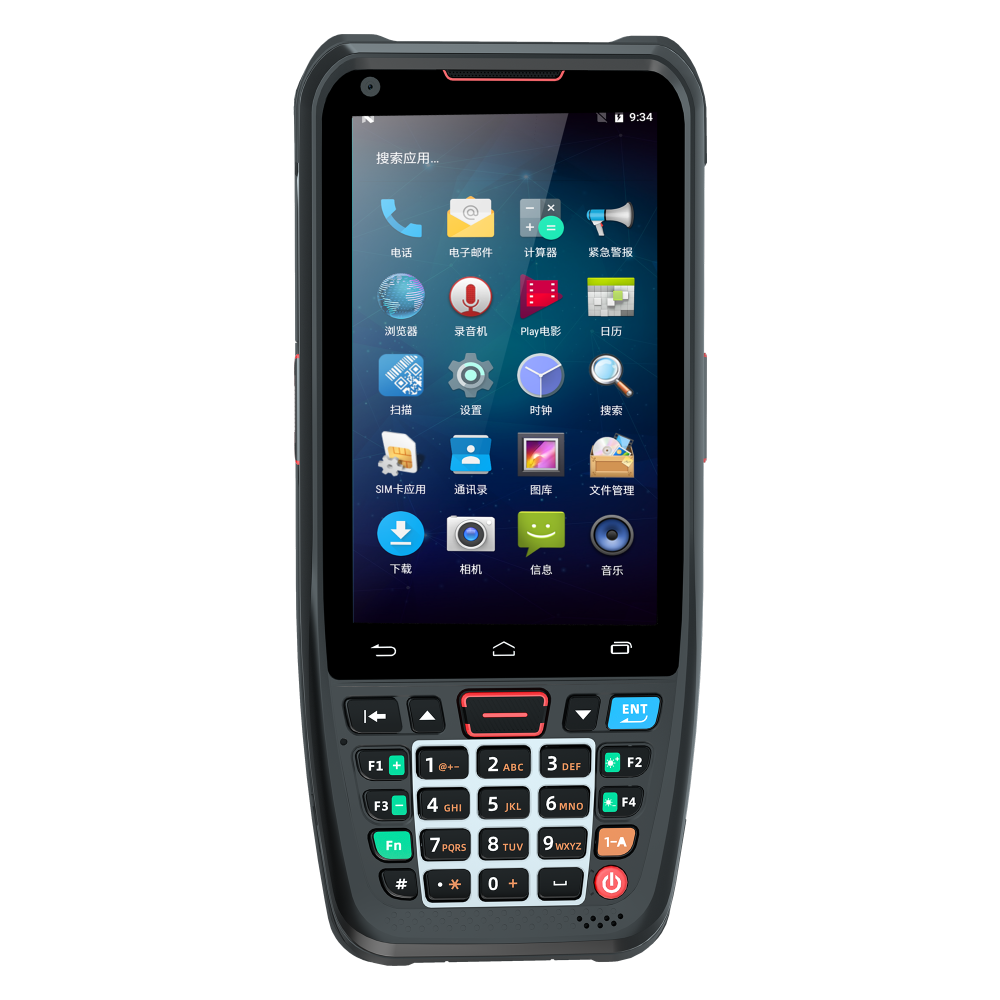
PDA configuration
Product model: T60
Functional modules: 1D/2D, RFID high frequency, camera
Author:
IUPlus









Recommend
LET'S GET IN TOUCH
LET'S KEEP TOUCH
Please leave your messages.
we will reply within 1 working day.
Contact

+86 17373842885

info@iu-plus.com

Address:Room 401, Wanfeng Coast City, Wanfeng Community, Xinqiao Street, Baoan District, Shenzhen, China
Follow and subscribe to us

Copyright ©2017-2024 Shenzhen IUPLUS Information Co., LTD All Rights Reserved