Transformative Applications: AI-Powered Rugged Tablets Across Industries
2025-06-22 11:03:36
Click:
“
Transformative Applications: AI-Powered Rugged Tablets Across Industries The uni
”
Transformative Applications: AI-Powered Rugged Tablets Across Industries
The unique attributes of rugged tablets make them ideal terminals for deploying AI applications in domains traditionally challenged by environmental extremes and operational demands.

A. Industrial and Manufacturing
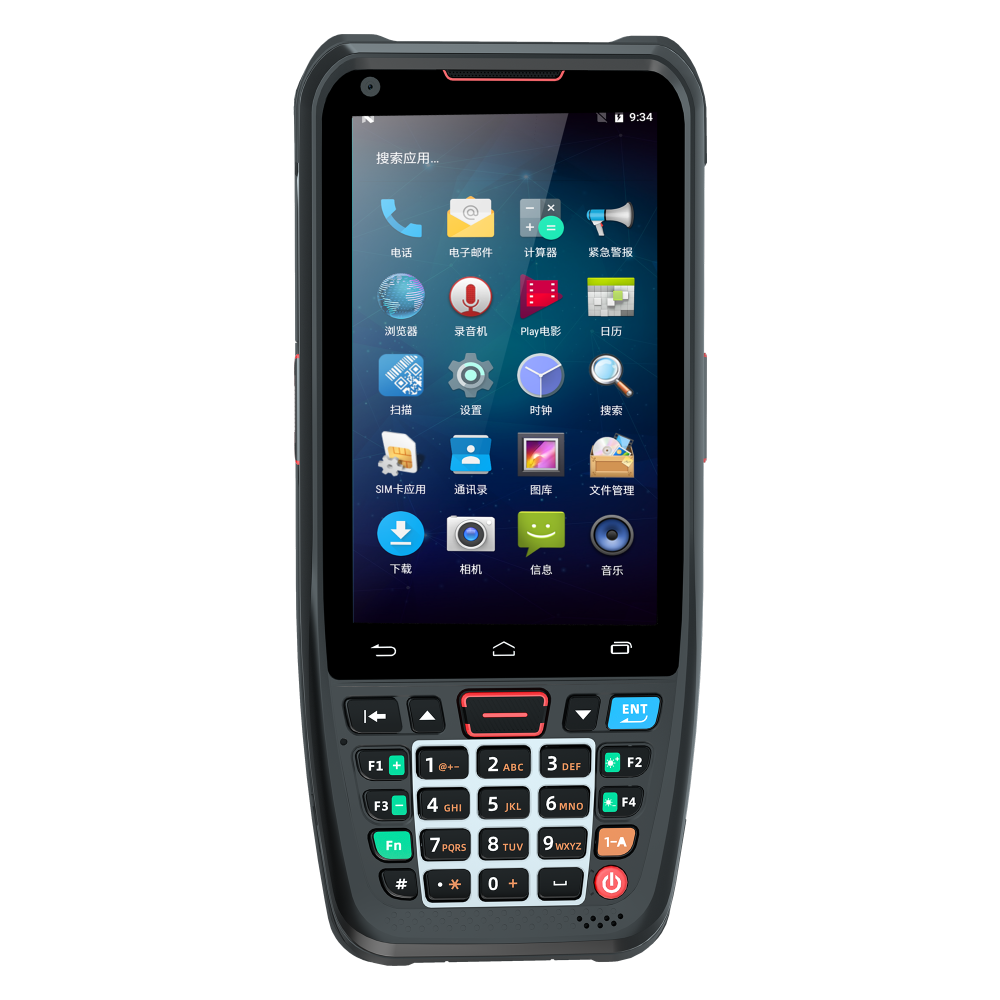
Industrial environments are complex, dynamic, and often hazardous.Traditional data collection methods are manual and prone to error.Rugged tablets provide robust data collection and real-time display capabilities in these environments, while AI offers predictive analytics, quality control, and optimization functions.This combination means the tablet is no longer just a data input device; it becomes an active intelligent assistant to the human worker, providing context-aware information and proactive guidance. This shifts the worker's role from reactive problem-solver to AI-guided proactive manager. The rugged tablet thus becomes an 'intelligent co-pilot' in the industrial digitalization journey, augmenting human capabilities, reducing cognitive load, and enabling more efficient and safer operations in complex industrial settings, thereby driving the broader Industry 4.0 transformation.
- Predictive Maintenance:
- Scenario: Maintenance technicians in manufacturing plants use rugged tablets to collect real-time sensor data (e.g., vibration, temperature, sound) from machinery.This data is transmitted to an edge or cloud AI system for analysis.
- AI Integration: AI algorithms analyze the data to predict potential equipment failures.The tablet then displays immediate alerts, diagnostic information, and recommended maintenance actions to the technician.
- Value: Reduces unplanned downtime, optimizes maintenance schedules, and extends equipment lifespan, leading to significant cost savings and increased productivity.
- Quality Control and Inspection:
- Scenario: Workers use rugged tablets with integrated cameras to capture images or videos of products on a production line.
- AI Integration: Computer vision AI (which can run on the tablet's AI engine, a local edge server, or in the cloud) analyzes these images in real-time to detect defects, anomalies, or deviations from quality standards.The tablet displays visual indications of quality issues and allows workers to log observations.
- Value: Improves product quality, reduces waste, and automates inspection processes, leading to increased efficiency and consistency.
- Smart Warehousing and Logistics:
- Scenario: Warehouse personnel use rugged tablets with integrated barcode/RFID scannersand cameras for inventory management, goods receiving, and order picking.
- AI Integration: AI algorithms optimize storage locations ('smart shelving') and generate the most efficient picking paths.Computer vision AI can detect misplaced items or verify shipments.The tablet guides workers with real-time instructions and displays inventory status.
- Value: Enhances warehouse efficiency, reduces errors, optimizes space utilization, and speeds up fulfillment.
- Worker Safety and Compliance:
- Scenario: Rugged tablets, potentially integrated with wearables or fixed cameras, monitor worker behavior and environmental conditions.
- AI Integration: AI analyzes video streams to identify unsafe practices (e.g., not wearing PPE, entering restricted areas) or detect hazardous conditions (e.g., gas leaks, abnormal noise patterns).The tablet can provide immediate alerts to workers about dangers or offer safety guidelines.
- Value: Enhances workplace safety, reduces accidents, and ensures compliance with regulations.
In industrial and manufacturing settings, AI-enabled rugged tablets transcend their role as simple data terminals to become 'intelligent co-pilots.' They proactively guide workers with real-time insights and predictive warnings, augmenting human decision-making, optimizing processes, and elevating safety standards, thereby accelerating the broader digital transformation towards Industry 4.0.









LET'S GET IN TOUCH
LET'S KEEP TOUCH
Please leave your messages.
we will reply within 1 working day.
Contact

+86 17373842885

info@iu-plus.com

Address:Room 401, Wanfeng Coast City, Wanfeng Community, Xinqiao Street, Baoan District, Shenzhen, China
Follow and subscribe to us

Copyright ©2017-2024 Shenzhen IUPLUS Information Co., LTD All Rights Reserved